
The federal rule: three conditions
Under 40 CFR 279.23, a business that generates used oil may burn it in a used oil-fired space heater as long as1:
- The heater burns only used oil you generate, or used oil you receive from household do-it-yourself oil changers.
- The heater's maximum capacity is 0.5 million BTU per hour or less.
- The combustion gases are vented outside.
Meet all three, and the heater is exempt from the rules for off-specification used oil burners2. Used oil generators also do not need to notify EPA or get an EPA identification number2.
The 0.5 million BTU limit is about the heater's maximum rated capacity, not how you run it. A heater built for more than that does not qualify for the exemption, and the off-specification burner standards apply unless the oil meets the fuel specifications3.
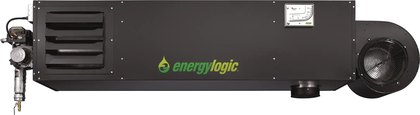
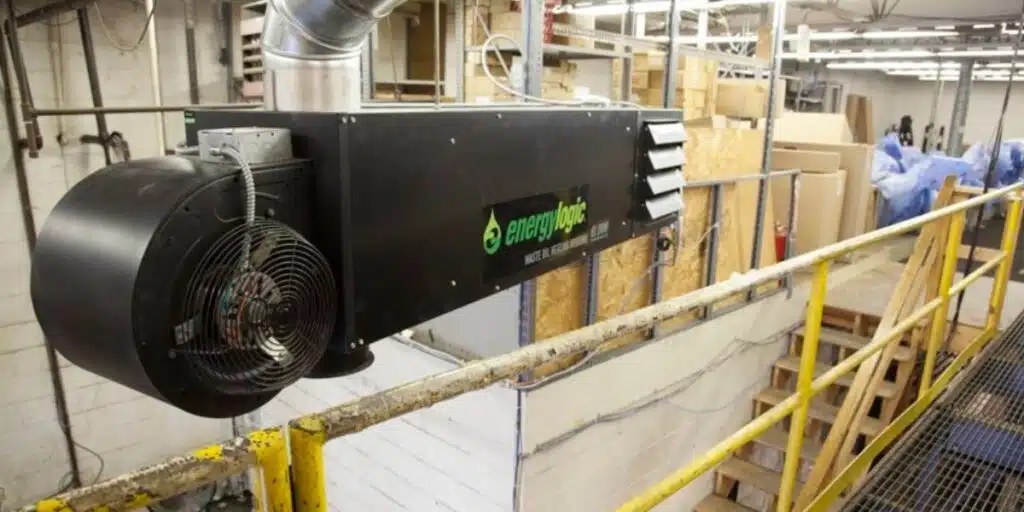
Every EnergyLogic furnace and boiler we install is rated at or under 0.5 million BTU per hour, with the largest boiler at 499,000. We size the heater, run the flue outside and install the tank, then clean and tune it every season.
See the heatersWhat counts as used oil
Used oil is oil refined from crude oil, or synthetic oil, that has been used and picked up contaminants along the way4, 11. In a shop, that means crankcase oil, transmission fluid, hydraulic oil and similar lubricants. Fuels such as gasoline are not used oil11, and neither is antifreeze. Your heater manufacturer's approved fuel list is the final word on what goes in the tank.
Keep these out of the used oil tank
The fastest way to lose the exemption is to contaminate the oil. Under EPA's rebuttable presumption, used oil with more than 1,000 ppm of total halogens is presumed to have been mixed with hazardous waste4. Once that happens, the oil has to be managed as hazardous waste instead of used oil.
- Chlorinated solvents, including some brake and parts cleaners. Connecticut tells shops not to mix used oil with anything else, chlorinated solvents included9.
- Gasoline and other fuels
- Antifreeze and other vehicle fluids that are not oil
- Water, which settles to the bottom of the tank and should be drained off
Storing used oil
The federal generator rules cover storage too1:
- Store used oil only in tanks or containers
- Keep containers and aboveground tanks in good condition, with no severe rust, structural defects or leaks
- Label containers and aboveground tanks clearly with the words “Used Oil”
- If oil is released, stop the release, contain it, clean it up, and repair or replace the leaking container or tank
Larger setups can trigger more rules. A shop that can store more than 1,320 gallons of used oil and other petroleum products in containers of 55 gallons or more generally needs a Spill Prevention, Control and Countermeasure plan5.
Taking used oil from customers
The federal exemption allows used oil from household do-it-yourself oil changers, so a shop can accept oil from people who change their own oil at home and burn it in a qualifying heater1. Used oil from other businesses does not qualify. Keep DIY oil just as clean as your own: one container mixed with solvents can contaminate the whole tank.
State by state across our territory
States can be stricter than the federal rule. Here is where Total Tool's four states stand, from each state's own guidance:
| State | What changes |
|---|---|
| New York | Follows the federal conditions: no more than half a million BTU per hour, vented outside, no chemical waste, and only your own oil or DIY oil. The DEC's guide adds that the heater must be allowed in your municipality and comply with air regulations6. |
| Vermont | Used oil fuel must be tested once before burning, and containers labeled “Used Oil Fuel.” No permit is needed for specification used oil fuel in small equipment, but off-specification oil or larger equipment requires an air permit10. Facilities that burn used oil must also notify the state11. |
| Massachusetts | Submit an On-Site Class A Recycling Notification to MassDEP, burn only from September 15 to June 15, burn or ship out at least 75 percent of the used oil accumulated each calendar year and keep logs, and never modify the heater7. |
| Connecticut | Follows the federal conditions, and the heater must be at your workplace, not in a home8. DEEP recommends testing used oil for total halogens before burning9. |
Fire codes and local rules apply on top of environmental rules. Check with your municipality and fire marshal before installing a heater, and confirm the current requirements with your state agency.
Common questions
Do I need a permit to burn used oil in a shop heater?
Under the federal rules, used oil generators do not need an EPA identification number, and a heater that meets the space heater conditions is exempt from the burner standards. States add their own steps: Massachusetts requires a notification to MassDEP, Vermont requires notification and a one-time test of the oil, and New York's guidance points to municipal approval and air regulations.
Can I burn used oil from another shop?
Not under the space heater exemption. It covers only the used oil you generate and used oil from household do-it-yourself oil changers.
Do I have to test my used oil?
Federally, a generator burning its own oil in a qualifying space heater does not have to prove the oil meets fuel specifications. Vermont requires a one-time test before burning, and Connecticut recommends testing for total halogens. Any oil over 1,000 ppm total halogens is presumed to be hazardous waste.
What if my heater is bigger than 0.5 million BTU per hour?
Then it does not qualify for the space heater exemption, and the more detailed rules for off-specification used oil burners apply unless the oil meets the fuel specifications.
Can I burn gasoline, antifreeze or solvents in a waste oil heater?
No. Fuels such as gasoline are not used oil, and solvents can turn used oil into hazardous waste. Burn only the used oils your heater manufacturer approves.
Sources
- U.S. EPA, 40 CFR Part 279 Subpart C, Standards for Used Oil Generators (279.22 storage, 279.23 space heaters)
- U.S. EPA, Managing Used Oil: Answers to Frequent Questions for Businesses
- U.S. EPA, RCRA Online #14280, used oil-fired space heaters over 0.5 million Btu per hour
- U.S. EPA, 40 CFR Part 279, Standards for the Management of Used Oil (279.10 rebuttable presumption)
- University of Northern Iowa Waste Reduction Center, Used Oil Management Standards, 40 CFR 279
- New York State DEC, Used Oil Regulations: A Quick Guide for Auto Repair Shops
- Massachusetts DEP, Waste Oil Management
- Connecticut DEEP, Used Oil Management for Motor Vehicle Servicing
- Connecticut DEEP, Pit Stops: Used Oil
- Vermont DEC, Used Oil Burning fact sheet
- Vermont DEC, Used Oil fact sheet
This guide is general information, not legal advice. Regulations change, so confirm current requirements with EPA and your state environmental agency before installing or operating a used oil heater.